+86-13819126663
رطوبت برای موزه ها، آرشیو ها و کتابخانه ها video

رطوبت برای موزه ها، آرشیو ها و کتابخانه ها

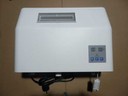
240L رطوبت گیر برای موزه ها

شرح

رطوبت برای موزه ها، بایگانی


ویژگی های اصلی:

1. برنامه کاربردی بزرگ: ظرفیت رطوبت بالا، مناسب برای تقاضای رطوبت در منطقه بزرگ، چرخه باد بزرگ است


2، دامنه رطوبت فوق العاده گسترده: محدوده رطوبت فوق العاده گسترده ای از 20٪ -90٪، می تواند نیازهای سایت های مختلف رطوبت را برآورده کند، می تواند به طور انعطاف پذیری به محیط های شدید پاسخ دهد


3، پشتیبانی از زهکشی مستمر: لوله تخلیه خارجی، دسترسی مستقیم به لوله فاضلاب، زهکشی مناسب


4، رطوبت هوشمند: شامل تراشه های هوشمند، به طور خودکار رطوبت هوشمند با توجه به رطوبت محیط زیست در حال حاضر هوشمند، بدون نیاز به تماشای


5، قضاوت خطای هوشمند: به طور خودکار محل خطا و بازخورد روی صفحه LCD را برای تعمیر و نگهداری تعیین می کند


6، زمان بندی دو طرفه: می توانید زمان بوت و زمان خاموش کردن را با توجه به شرایط کاری تعیین کنید، آسان برای کار


عکس های محصول:

Dehumidifiers for Museums, Archives and Libraries

Dehumidifiers for Museums, Archives and Libraries

پارامترهای تفصیلی:

مدل DH-5168C
حذف رطوبت 168L / D یا 7L / H
منبع انرژی 380V / 50HZ
قدرت ورودی دارای امتیاز 3.2 کیلو وات
قدرت فعلی 6.2A
دمای کار 5-38 ℃
گردش هوا 1600 مگاپیکسل / ساعت
مبرد R22 / R407C
وزن خالص 108 کیلوگرم
وزن ناخالص 118 کیلوگرم
اعمال فضا 150 تا 200 متر مربع
ابعاد محصول 405x605x1620mm
بسته بندی ابعاد 485x655x1680 میلیمتر
تعداد بارگیری 33 پیکسل / 20ft
دوره تولید 10 روز
ضمانتنامه 1 سال

درخواست رطوبت ساز در موزه ها، بایگانی ها و کتابخانه ها

مفهوم رطوبت (رطوبت مطلق و رطوبت نسبی) معمولا در مطالعه مطالعات محیطی موزه دخیل است. به منظور درک رطوبت، لازم است که رابطه بین رطوبت نسبی و رطوبت مطلق را درک کنید. هوا در اطراف ما حاوی مقدار معینی بخار آب است که هوا مرطوب است؛ هوا که از لحاظ تئوری آزاد از بخار آب است هوای خشک نامیده می شود. رطوبت مطلق نسبت جرم بخار آب در هوا به حجم کل هوا مرطوب است. این اندازه گیری مقدار بخار آب در هوا است.


در شرایط خاصی از درجه حرارت، نسبت آب در هوا به محتوای آب که در آن بخار آب در هوا به نقطه اشباع می رسد، چیزی است که ما معمولا به رطوبت نسبی می گوییم. هنگامی که رطوبت در هوا به بالاترین سطح می رسد، اشباع نامیده می شود. رطوبت نسبی در این مورد 100٪ است.


مقدار آب که می تواند در هوا ذخیره شود تحت تأثیر دما قرار می گیرد. دمای بالاتر، بیشتر از آب است. بنابراین، رطوبت مطلق (محتوای آب) تغییر نمی کند. دمای بالاتر، رطوبت نسبی پایین تر است. اگر وزن بخار آب در هوا ثابت و درجه حرارت تغییر کند، رطوبت نسبی می تواند به شدت متفاوت باشد.


به عنوان مثال، برای موزه ها در یک محیط نیمه باز، مجموعه ها از جمله مصنوعات فلزی ممکن است در طول نمایشگاه به دمای بالاتر و رطوبت نسبی در معرض قرار گیرند، اما به دلایلی، مصنوعات به یک محیط کم دمای به دلیل تغییر دمای بخار آب در اطراف مصنوعات فلز در شرایط سرد با هم مخلوط می شود، باعث «تراکم» می شود. پدیده بخار آب "تراکم" بر روی سطح آثار فلزی عامل مهمی برای خوردگی مصنوعات فلزی است.


علاوه بر این، رطوبت محیطی که در آن مجموعه قرار داده شده است بیش از حد بزرگ است، که باعث می شود مجموعه با مقاومت در برابر آب ضعیف، مانند کاغذ، رنگ نقاشی های تیره، و مستعد نقاط قالب؛ و اگر رطوبت بیش از حد کم باشد، چوب و لاک ها شکسته خواهند شد. . بنابراین، کنترل رطوبت و دمای جو در موزه بسیار مهم است.


امروزه بسیاری از موزه ها و گالری های هنری در داخل و خارج از کشور از تنظیم کننده های رطوبت جو، جذب رطوبت و غیره استفاده کرده اند تا رطوبت اتاق نمایشگاه و انبار را تنظیم کرده و نتایج خاصی را دریافت کنند.

The concept of humidity (absolute humidity and relative humidity) is usually involved in the study of museum environmental studies. In order to understand the humidity, it is necessary to understand the relationship between relative humidity and absolute humidity. The air around us contains a certain amount of water vapor, which is called wet air; the air that is theoretically free of water vapor is called dry air. Absolute humidity is the ratio of the mass of water vapor in the air to the total volume of humid air. It is a measure of the amount of water vapor in the air.  Under certain conditions of temperature, the ratio of the water content in the air to the water content at which the water vapor in the air reaches the saturation point is what we usually call relative humidity. When the moisture in the air reaches the highest level, it is called saturation. The relative humidity in this case is 100%.  The amount of water that can be stored in the air is affected by the temperature. The higher the temperature, the more the water is. Therefore, the absolute humidity (water content) does not change. The higher the temperature, the lower the relative humidity. If the weight of water vapor in the air is constant and the temperature changes, the relative humidity may vary greatly.  For example, for museums in a semi-open environment, collections including metal artifacts may be exposed to a higher temperature and relative humidity during the exhibition, but for some reason the artifacts are moved to In a low temperature environment, due to the change of temperature, the water vapor around the metal artifacts will condense under cold conditions, causing


The concept of humidity (absolute humidity and relative humidity) is usually involved in the study of museum environmental studies. In order to understand the humidity, it is necessary to understand the relationship between relative humidity and absolute humidity. The air around us contains a certain amount of water vapor, which is called wet air; the air that is theoretically free of water vapor is called dry air. Absolute humidity is the ratio of the mass of water vapor in the air to the total volume of humid air. It is a measure of the amount of water vapor in the air.  Under certain conditions of temperature, the ratio of the water content in the air to the water content at which the water vapor in the air reaches the saturation point is what we usually call relative humidity. When the moisture in the air reaches the highest level, it is called saturation. The relative humidity in this case is 100%.  The amount of water that can be stored in the air is affected by the temperature. The higher the temperature, the more the water is. Therefore, the absolute humidity (water content) does not change. The higher the temperature, the lower the relative humidity. If the weight of water vapor in the air is constant and the temperature changes, the relative humidity may vary greatly.  For example, for museums in a semi-open environment, collections including metal artifacts may be exposed to a higher temperature and relative humidity during the exhibition, but for some reason the artifacts are moved to In a low temperature environment, due to the change of temperature, the water vapor around the metal artifacts will condense under cold conditions, causing

تگ های محبوب: رطوبت برای موزه ها، آرشیو ها و کتابخانه ها چین، تولید کنندگان، تامین کنندگان، کارخانه، عمده فروشی

ارسال درخواست

(0/10)

clearall